New Digital Therapy Shows Strong Results in Fibromyalgia Trial
New Digital Therapy Shows Strong Results in Fibromyalgia Trial
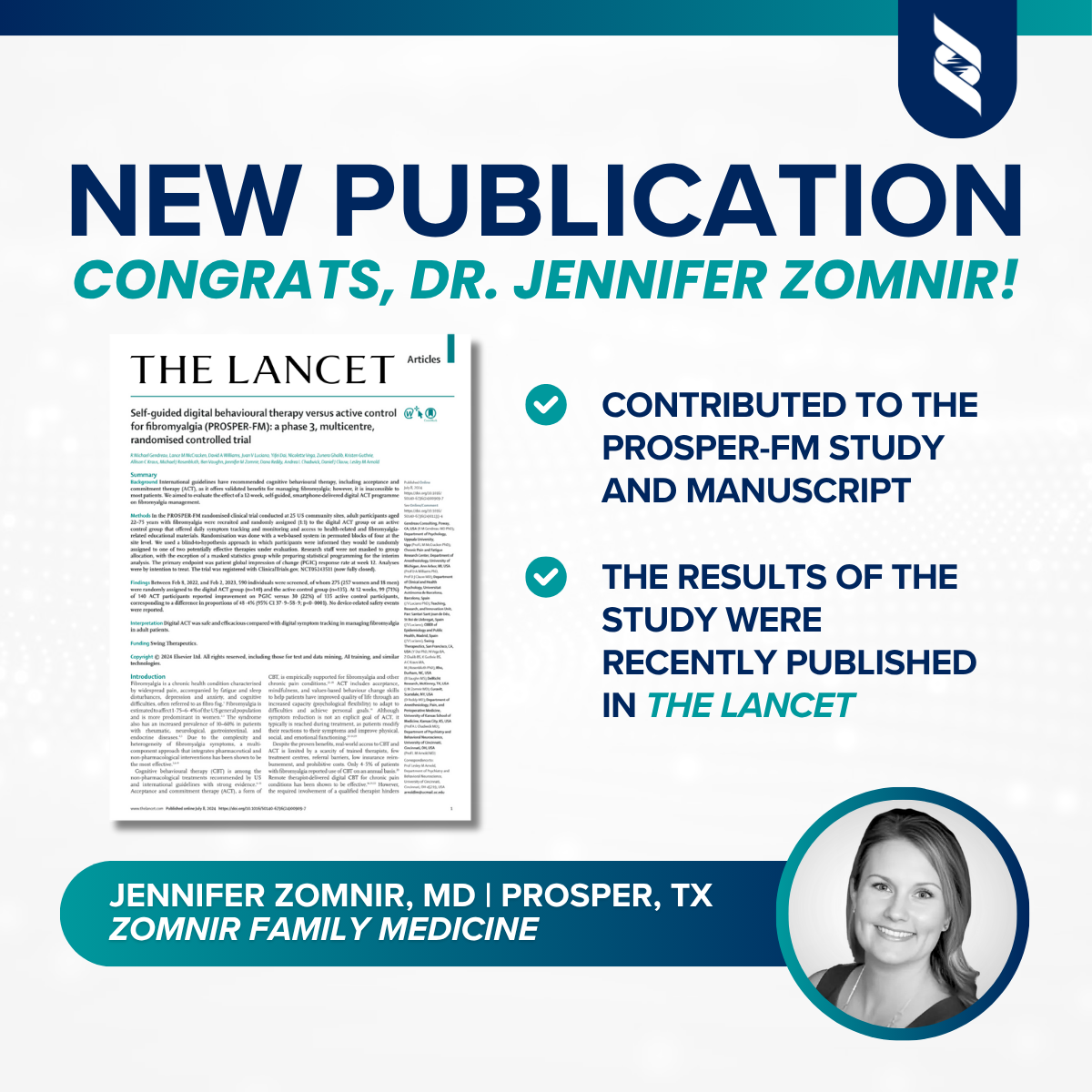
Fibromyalgia is a complex and often debilitating condition marked by widespread pain, fatigue, sleep disruption, and cognitive challenges. While cognitive behavioral therapies (CBT), including Acceptance and Commitment Therapy (ACT), are well-established non-drug treatment options, access to trained professionals remains a significant barrier for many patients. A new phase 3 trial, recently published in The Lancet, offers encouraging evidence that digital, self-guided ACT could close this treatment gap. Dr. Jennifer Zomnir of DelRicht Research was among the investigators contributing to the PROSPER-FM trial, a randomized, controlled study designed to evaluate the impact of a 12-week, smartphone-delivered ACT program on fibromyalgia outcomes.
A First-of-Its-Kind Digital Intervention
The study enrolled 275 adults from 25 U.S. community sites and compared two digital interventions: a self-guided ACT program and an active control app featuring symptom tracking and educational resources. The primary measure was patient global impression of change (PGIC) at 12 weeks. Secondary outcomes included changes in pain, sleep interference, fatigue, depression, and overall impact on daily life.
Findings were striking: 71% of participants in the ACT group reported meaningful improvement, compared to just 22% in the control group. Improvements were observed across multiple domains, including pain intensity, functional impairment, fatigue, and psychological flexibility. The app’s usability also received high marks from participants.
Real-World Promise for Complex Chronic Conditions
The strength of this study lies not only in its outcomes, but also in its design. Unlike previous digital therapy studies that relied heavily on therapist guidance, PROSPER-FM tested a truly self-guided format, more closely reflecting how patients would engage with digital tools in everyday life. Engagement remained high across both groups, suggesting that well-designed digital programs can hold patients’ attention and support real behavioral change.
With no serious device-related safety events and broad improvements seen in participants’ well-being, the results signal a promising future for non-pharmacologic, scalable therapies in fibromyalgia care.
Dr. Jennifer Zomnir & DelRicht’s Role in Advancing Patient-Centered Research
Dr. Jennifer Zomnir’s site participation at Zomnir Family Medicine underscores DelRicht Research’s commitment to expanding access to innovative therapies and generating high-quality evidence for under-addressed conditions. As interest in digital health solutions continues to grow, site-level leadership and real-world insights from investigators like Dr. Zomnir help ensure these technologies are evaluated rigorously and deployed meaningfully.
Read the full publication, and learn more about DelRicht Research and our role in advancing community-based clinical research at www.delrichtresearch.com.
All News