Medical Cannabis and Older Adults: A Safer Path for Pain and Symptom Relief
Medical Cannabis and Older Adults: A Safer Path for Pain and Symptom Relief
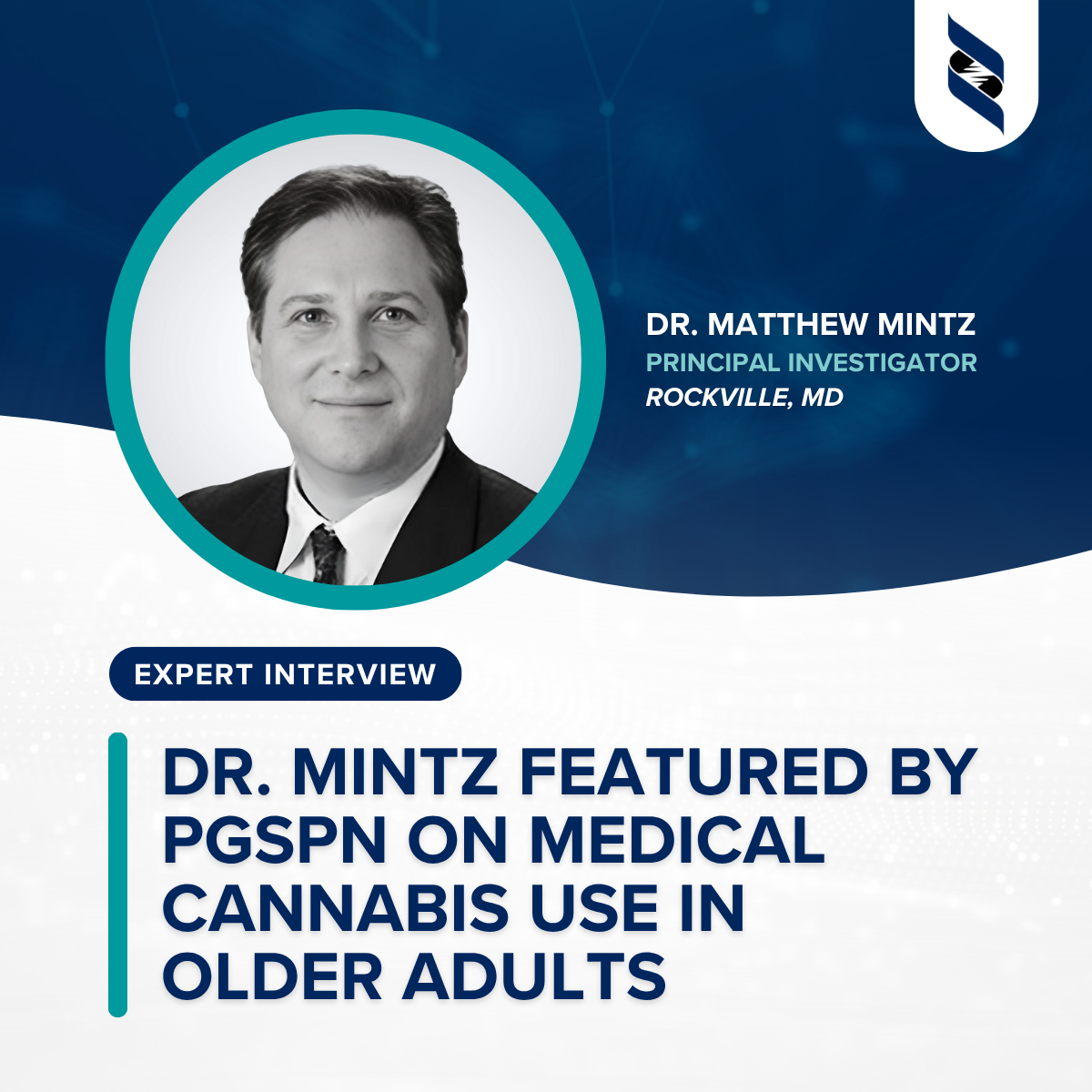
As the healthcare system grapples with aging populations, complex chronic conditions, and the long-term risks of traditional prescriptions, medical cannabis is gaining traction, especially among older adults. In a detailed webinar hosted by PGSPN, Dr. Matthew Mintz, a clinical associate professor at George Washington University and primary care physician in Bethesda, shared his deep experience treating senior patients with medical cannabis.
Dr. Matthew Mintz: From Hesitancy to Advocacy
Initially skeptical, Dr. Mintz began certifying patients for medical cannabis after a dispensary opened in his building. What began as a curiosity quickly turned into conviction. The first patients who came through his door were not recreational users, but older adults battling late-stage cancer, chronic pain, or severe anxiety, individuals seeking real relief when nothing else worked. “Seniors are really a good population for medical cannabis, primarily because it treats a variety of conditions that seniors have,” Dr. Mintz explains, “They have aches and pains; they have anxiety. If they have problems sleeping, for patients with dementia, they can get anorexia and agitation, and cannabis helps with all of these things, with very few side effects.”
“Seniors are really a good population for medical cannabis, primarily because it treats a variety of conditions that seniors have. They have aches and pains; they have anxiety. If they have problems sleeping, for patients with dementia, they can get anorexia and agitation, and cannabis helps with all of these things, with very few side effects.”
— Dr. Matthew Mintz, Principal Investigator at DelRicht Research
How Cannabis Works in the Body
Dr. Mintz explained that the body’s endocannabinoid system, an internal network of receptors that help regulate pain, sleep, appetite, and mood, naturally responds to compounds found in the cannabis plant. Of the plant’s many active ingredients, two stand out: THC, which helps with pain and sleep, and CBD, which reduces inflammation and anxiety without the psychoactive effects. Terpenes, another group of plant compounds, also contribute to symptom relief and play a role in how different cannabis strains perform.
Why Cannabis Is Especially Promising for Seniors
Seniors often face multiple health issues: arthritis, insomnia, anxiety, appetite loss, and medication interactions. According to Dr. Mintz, cannabis offers a safer alternative to many commonly prescribed medications, especially sedatives and opioids. In one study of nearly 3,000 seniors, the majority reported moderate to significant symptom improvement with very few side effects, mainly dry mouth, dizziness, or sleepiness, and no increased risk of falls. Importantly, cannabis also showed promise in reducing patients’ overall medication burden.
Safe Use Requires Proper Guidance
Dr. Mintz emphasized that medical cannabis should be used under the guidance of a knowledgeable provider. He typically recommends starting with low doses and non-inhaled methods such as tinctures or edibles. Products from regulated dispensaries are tested for quality and safety, unlike many over-the-counter CBD options that lack oversight.
A Broader Future for Medical Cannabis
While more research is needed, particularly because federal restrictions limit studies in the U.S., existing evidence supports cannabis as a safe, effective option for pain, anxiety, and other chronic conditions. Dr. Mintz expects expanded legalization and insurance coverage in the future, making this form of treatment more accessible to those who need it most.
Learn More
For providers, caregivers, and patients alike, this conversation offers invaluable insight into a growing area of healthcare. Watch the full presentation, “Medical Cannabis for Older Adults with Dr. Matthew Mintz.”
At DelRicht Research, we are committed to exploring safe, evidence-based treatment options, especially for vulnerable populations. As medical cannabis becomes a more widely accepted tool in chronic care, we remain focused on supporting research and conducting studies that improve quality of life for all.
All News